Recognizing and Understanding Brake Noise Causes
Driving should be a smooth experience, but unusual noises during braking can cause concern. Identifying these sounds early is crucial for your safety and vehicle performance. When you hear unfamiliar noises, it might indicate that something needs attention in your car’s brake system. Knowing the difference between normal and alarming brake sounds will help you maintain your vehicle better and avoid costly repairs.
Exploring Usual Brake Sounds
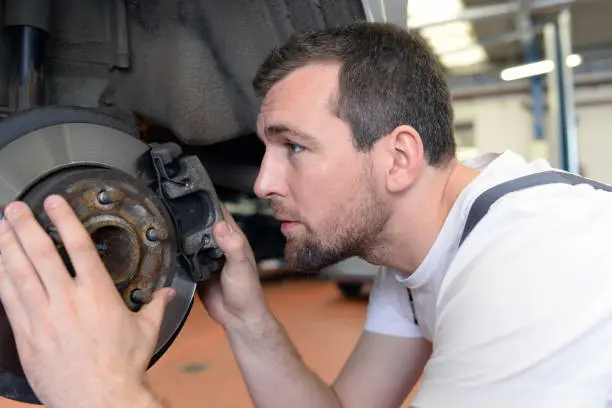
The first step in identifying unusual noise is understanding what common brake sounds are normal. The average car might produce slight squeaks or rubbing from time to time, especially if the brakes are wet. However, consistent high-pitched squealing often suggests worn-out pads needing replacement. If left unchecked, this can lead to further issues requiring more extensive brake services.
Recognizing Problematic Noises
Noises such as grinding or growling typically mean that the brake pads are severely worn out. This sound occurs when metal parts rub against each other, damaging the rotors. Addressing this promptly with professional brake services can prevent further damage and ensure your car remains safe on the road.
Potential Causes of Unusual Noises
Several factors can contribute to strange brake noises, including:
- Worn-out brake pads
- Damaged rotors
- Faulty calipers
- Loose components
Each of these issues can affect the way your brakes function and should be inspected by a mechanic if suspected. Professional evaluation helps identify the exact problem and provides appropriate solutions.
Troubleshooting Unusual Brake Sounds
If you’re hearing odd noises while braking, there are steps you can take before seeking professional help:
- Check for visible wear on brake pads through the wheel spokes.
- Listen carefully to determine if the noise persists at all speeds.
- Inspect for any debris stuck in the brake system.
If these checks don’t resolve the issue, it’s best to consult a mechanic for further inspection.
Best Practices for Maintaining Quiet Brakes
Maintaining your brakes properly can prevent unusual noises. Here are some tips:
- Schedule regular brake inspections every six months or annually.
- Replace brake pads when they thin out beyond recommended limits.
- Avoid hard braking to reduce excessive wear.
- Use quality parts and follow manufacturer guidelines for replacements.
These practices not only minimize unwanted sounds but also enhance overall vehicle safety.
The Cost of Ignoring Brake Issues
Ignoring unusual brake noises can lead to costly consequences. Repairs could become significantly more expensive if minor issues escalate into major problems due to neglect. Regular maintenance saves money in the long run by addressing small fixes early and preventing larger failures.
Your Trusted Partner for Brake Concerns
If you need assistance with resolving braking issues, our team is here to help. Based in Perris, CA, we offer comprehensive support to keep your vehicle running smoothly. Contact Gallardo's Transmission and Auto Repair at (951) 587-5828 to learn more about how we can assist you in maintaining optimal brake performance.